

Undergraduate degrees

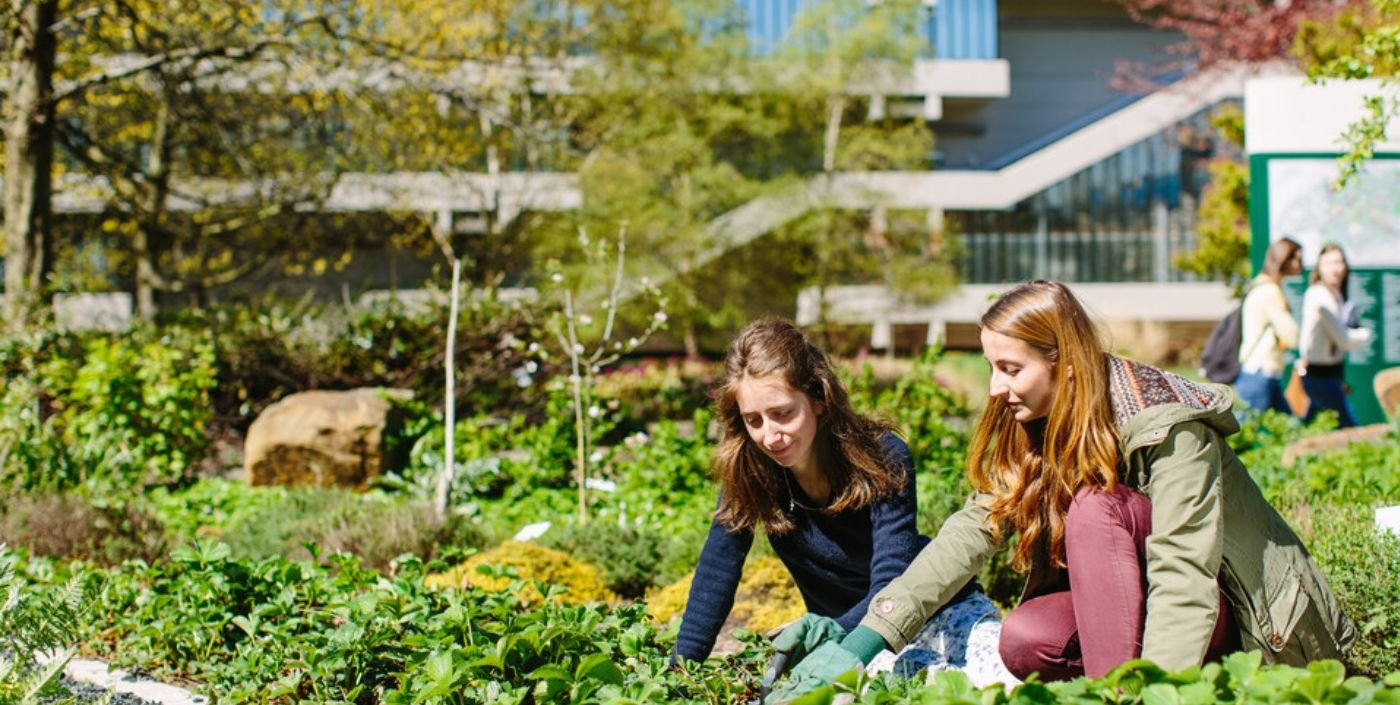
Enhancing your degree
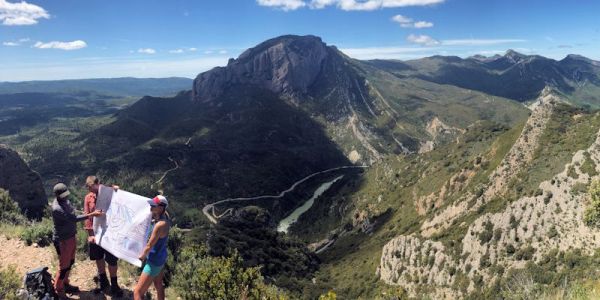
Study abroad
Studying abroad is a great way to enhance your university experience, develop as a person, and grow in confidence.
More
Work placements
Taking an industrial placement during your course gives you a competitive edge when taking your next steps.
More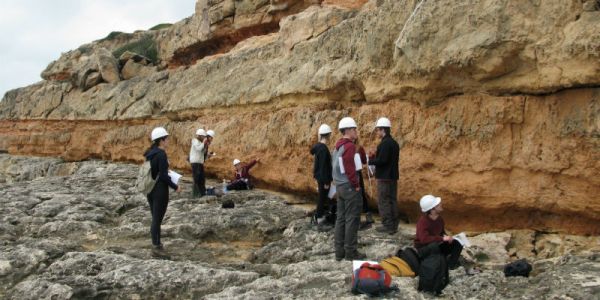
Field trips
Fieldwork is an excellent way to develop qualities that make employers notice you, such as communication, team-working, and initiative.
MoreExploring Leeds
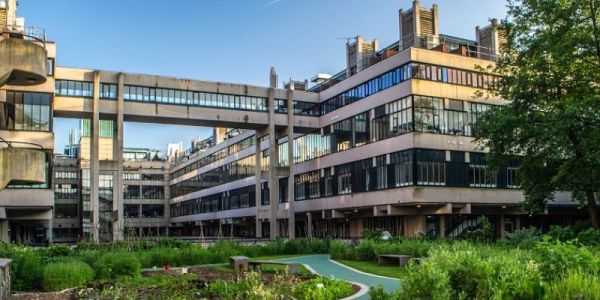
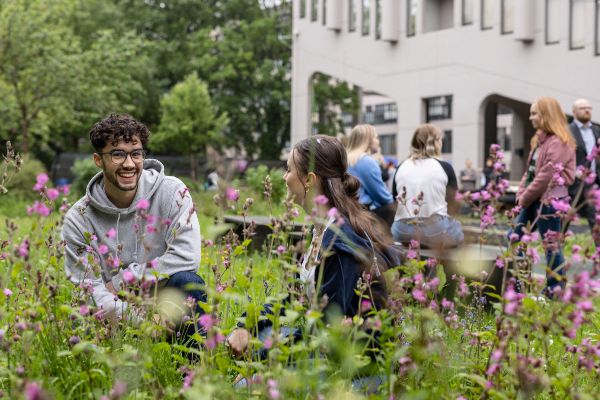
Grand buildings, iconic landmarks and sustainable green space: our single-site campus has it all. When you study at the University of Leeds, you’ll be on the doorstep to one of the most vibrant and multicultural cities in the UK, with the benefit of enjoying our historic campus.

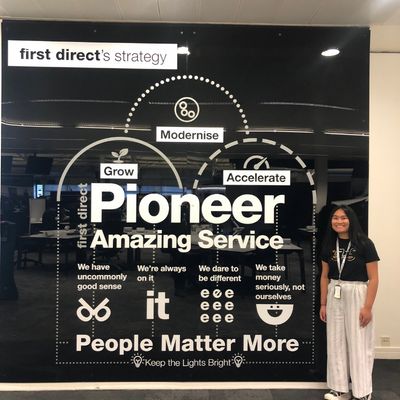
Rane Lucido
"The best part is learning how to link all of my different interests together to try to come up with solutions to problems people and the environment face."
Rane Lucido, Geography BA (Industrial)
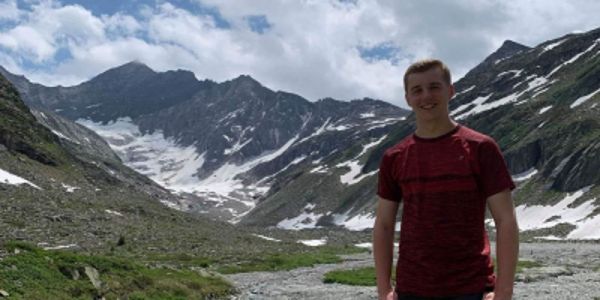
Ryan Pigott
"As someone who loves exploring the outdoors, getting to ride a cable car and stay in a hotel on the side of a mountain, as well as walk on part of a glacier, was pretty amazing!"
Ryan Pigott, BSc Geography with Environmental Mathematics

Stella Ferguson
“The experience has been invaluable in strengthening my employability through developing a host of transferable skills and crucial hands-on experience in a professional working environment.”
Stella Ferguson, BSc Geography (Industrial)
Online taster course
Planet Earth: Understanding and Protecting our Environment is a free online course, delivered via FutureLearn, introducing you to the processes of the hydrosphere, the geosphere, and the biosphere and explore the impact of human activity and climate change on our planet.