

Research and innovation

Our research

Centre for Spatial Analysis and Policy
We develop innovative ways of looking at the world to understand business, society and the environment at different spatial scales and by providing applied or policy-related analyses of geographical behaviour.
More
Social Justice, Cities, Citizenship
We aim to understand the complexities of social (in)justice and citizenship at different geographical and temporal scales and contribute to efforts at achieving a radically fairer world.
More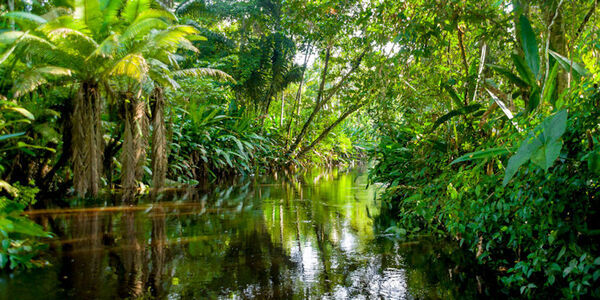
Ecology and Global Change
Working in biomes across the world from tropical rain forests to Arctic tundra, we aim to determine the nature of environmental change at a range of temporal and spatial scales.
More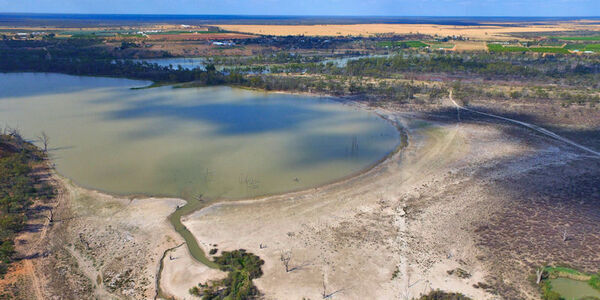
River Basin Processes and Management
We provide leadership in understanding and managing environmental processes and feedbacks that control and link water, sediment, solute and biotic dynamics in river basins, estuaries and marine systems.
More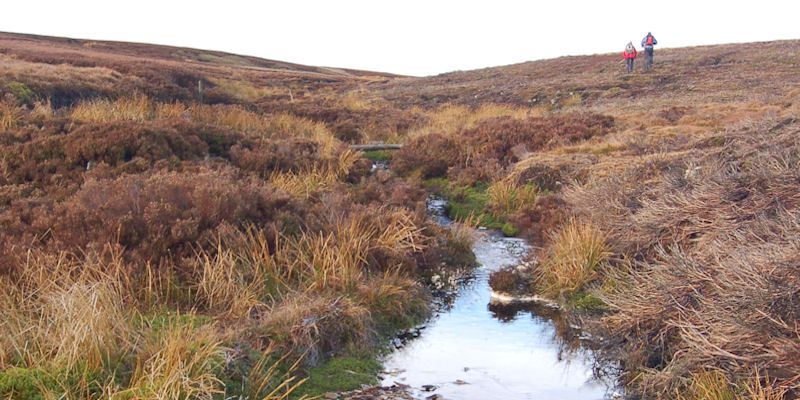
Impact
We collaborate with civic society, businesses and governments to improve societal well-being and sustainable economic growth.
These case studies illustrate some of the global impacts of our research:
Charting a path out of the wilderness for the planet's sake
Leading the way to affordable, low impact homes
Protecting the aguaje forests of the Amazon
Microscopic ash particles detection benefits global aircraft operators
Steering future cycleway investment
We regularly summarise our latest research in our Briefing Notes

Research projects
Our research expertise is driving solutions to global issues, shaping environmental planning, protection and influencing our future. You can search and read our impactful, innovative and highly diverse projects in our Research directory.
News

Research degrees
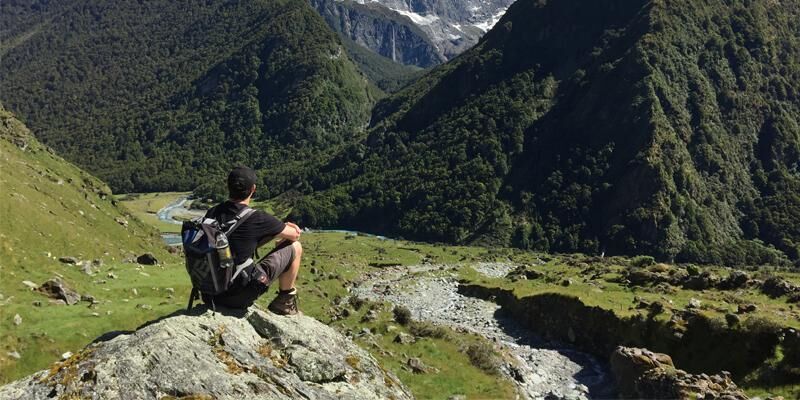
Studying for a PhD will be a journey that will stimulate your passion for your subject and push you to reach your potential.
Search our projects, ideas, funding opportunities, research areas and PhD supervisors.
Collaborate with us
We are committed to sharing our world-leading knowledge, facilities, expertise and technologies with external academic and industrial collaborators.

Research collaboration
We work alongside forward-thinking external partners looking to research and develop exciting new projects. Our aim is to make it as easy as possible for you to access our specialist expertise.
More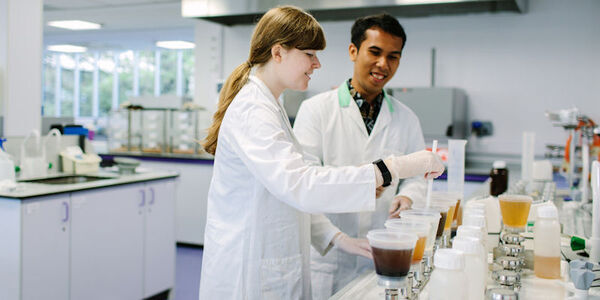
Access our facilities
Benefit from our wide range of facilities, from controlled environmental chambers to specialist laboratories dedicated to microscopy, physical soil analysis and tree ring analysis.
More